


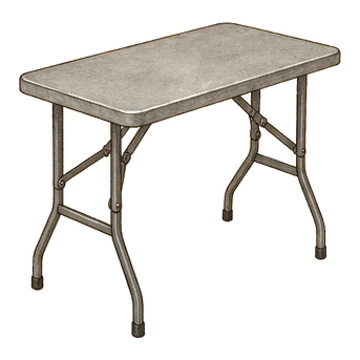
Flash Furniture 33.5 inch folding card table, gray
A 33.5 inch square folding card table that seats four and folds flat for a closet.
Check priceSo you said yes to hosting Thanksgiving, and then you looked at your apartment. One oven, a fridge that's already full, four chairs and a counter the size of a cutting board. Totally doable. Small-space Thanksgiving is less about square footage and more about planning where every person, dish and coat goes before anyone rings the bell. These 15 ideas start with the big stuff, seats and the oven, and end with the little things that make the night feel easy.
As an Amazon Associate I earn from qualifying purchases. Links on this page are affiliate links: if you buy through them, I may earn a small commission at no extra cost to you.

Here's the honest part: the guest list decides everything. Before you invite anyone, measure the biggest open area you have, count every chair, stool and bench you own or can borrow, and figure out where a second table could go. Then invite to fit. Ten people in a studio isn't a party, it's a hallway.
Next, decide what you'll cook and what you'll outsource. Hosts in small kitchens who make the turkey and one or two sides, then hand out the rest as a potluck, have a much calmer day. Write it all down a week ahead: who brings what, what goes in the oven when, and where people will sit. Boring? Sure. It's also the whole secret.
Every place setting needs about 24 in of table edge to eat comfortably, so a 48 in round table seats around six, and a 60 in rectangle seats six with two on the ends. Measure your table, divide, and that's your real number, not the number you hope for.
Then check the room around it. You need about 36 in behind a chair for someone to walk past a seated guest, so people aren't climbing over each other to reach the bathroom. If the math says six and your heart says ten, the next few ideas are for you. If not, a cozy six is a great Thanksgiving.
The fastest way to add seats is a folding table butted up against the end of your dining table. A square card table adds two to four seats, and a 6 ft folding table can turn a table for four into a table for ten, if the room is long enough.
Nobody needs to know it's two tables. Cover both with one long tablecloth or a couple of layered runners so it reads as one surface, and put the centerpiece across the seam. If the heights don't match exactly, a folded towel under the cloth smooths the step. And after the holiday it folds flat and slides behind a door.
If your dining nook only fits four, stop trying to make it fit eight. For one day, move the party to the biggest room you have. Push the sofa against a wall, stash the coffee table in the bedroom, and set up the long table right in the middle of the living room.
It sounds dramatic, but it takes about twenty minutes and makes the whole apartment work better. The sofa becomes after-dinner seating, the kitchen stays clear for cooking, and people aren't stuck in a corner. Move furniture the day before so you're not doing it in an apron with the turkey in the oven.
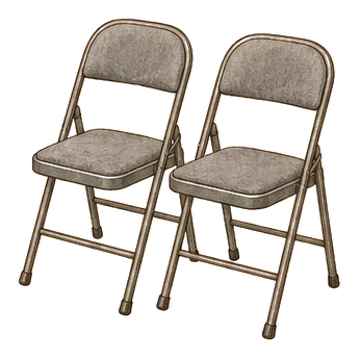
Matching chairs are overrated. A table with a couple of dining chairs, two padded folding chairs, a bench along one side and a desk chair at the end looks relaxed and actually seats everyone. Benches are the sneaky winner, since they squeeze in one more person than chairs in the same space.
Borrow from neighbors or ask guests to bring a folding chair (people love having a job). Padded folding chairs are worth it if you host every year, because they store flat in a closet. For a casual crowd or kids, floor cushions around the coffee table are fun and nobody minds.
Passing ten dishes around a crowded table is chaos, and there's no room for the dishes anyway. Serve buffet style instead, on a folding table, a console or even the kitchen conuter, set up so everyone moves in one direction.
Order matters more than you'd think: plates first, then turkey, then sides, then gravy and rolls, and napkins and cutlery last, so nobody juggles a fork while scooping potatoes. Put the buffet against a wall away from the oven, and the cook gets the kitchen back. Little name cards on each dish help guests with allergies and save you answering the same question twelve times.
One oven is the classic small-apartment problem, and the fix is a schedule on paper. List every dish, its temperature and its time, then work backward from dinner. The turkey comes out first and rests for 20 to 30 minutes, which is exactly when stuffing, rolls and anything that needs a quick blast go in.
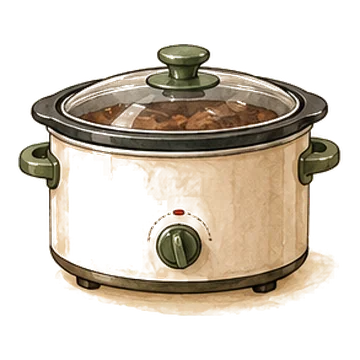
Then move everything you can out of the oven. Mashed potatoes in a slow cooker, green beans on the stovetop, cranberry sauce made the day before, and a pressure cooker for sides that would normally take an hour. Honestly, the countertop cookers are the second oven you didn't know you had.
A giant bird in a tiny oven means nothing else cooks for hours. If you're feeding six or eight, a whole turkey breast or a smaller turkey is plenty, and it frees up the oven for sides. A spatchcocked turkey, flattened with the backbone removed, also cooks much faster than a whole bird.
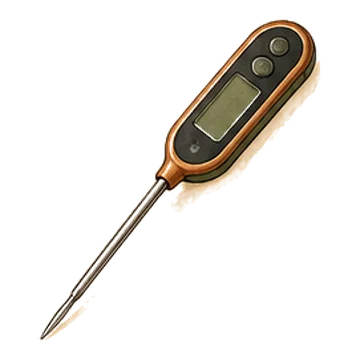
A common guide is about 1 to 1.5 lb of whole turkey per person, more if you want leftovers. If yours is frozen, it needs about a day in the fridge for every 4 to 5 lb to thaw, so plan ahead. Cook to 165°F in the thickest part and check with a thermometer, not the pop-up timer.
The worst part of a small-kitchen Thanksgiving is lukewarm food, because everything finished at a different time. A warming tray solves it. Sides go on it as they come off the stove or out of the oven, and they stay warm until everyone sits down.
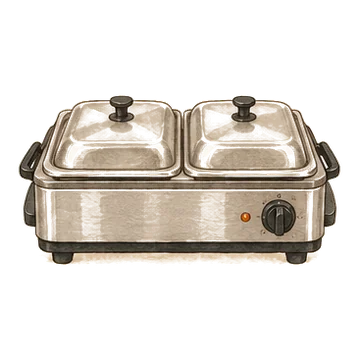
A dual buffet server with two lidded trays is great for gravy and a side, and a slow cooker set to warm handles mashed potatoes all afternoon. Put the warmer at the start of your buffet line and you've basically built a mini hotel buffet on a counter. Just keep an eye on the time: perishable food shouldn't sit out at room temperature for more than about two hours.
Your fridge will run out of room around Wednesday afternoon. Plan for it. A few days before, eat through the leftovers, toss the old condiments, and clear at least one full shelf for the turkey and one for make-ahead dishes.
Then move everything that doesn't strictly need the fridge into a cooler. Drinks, extra butter, whipped cream and the backup cranberry sauce all live happily on ice for the day, and the cooler doubles as a drinks station. Stackable, flat containers fit way better than mixing bowls covered in foil (we've all tried to balance one of those).
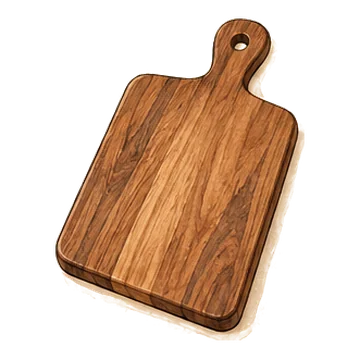
Tiny counters fill up the second the groceries come in. A big bamboo board laid over the stove (when it's off and cool) gives you a whole extra prep surface for chopping, and it's the spot where pies can cool later.
Look for other surfaces too: a rolling cart parked by the fridge, the top of the washer, a TV tray in the hallway for the rolls. Prep the day before so the counters are clear by morning, and keep a big bowl handy for scraps so you're not walking to the trash every two minutes. Small kitchen, but it can work like a bigger one.
Guests wander into the kitchen for one thing: a drink. Give drinks their own spot, as far from the stove as possible, and suddenly the cook has room to breathe. A side table, a bar cart or a bookshelf ledge all work.
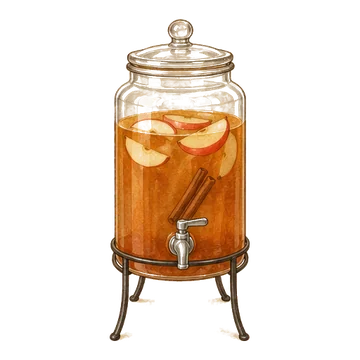
A beverage dispenser of cider or water with sliced apples saves you from refilling glasses all night, and guests pour their own. Add glasses, a bucket of ice, a bottle opener and a little bowl for used tops. If you have the space, put the wine and anything bubbly there too, and let people help themselves. One less job for you.
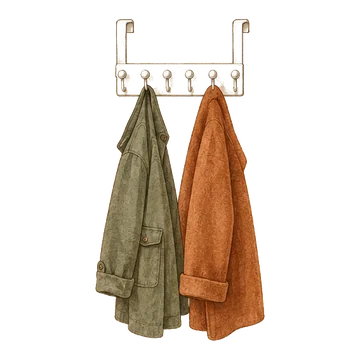
In a small apartment, coats end up in a mountain on the sofa, which is also where you wanted people to sit. Fix it before the doorbell rings. An over-the-door hook rack on the bedroom or bathroom door turns it into a coat check that holds a whole group's jackets.
Add a tray or mat by the entry for wet shoes if it's raining, and a basket for scarves and hats. When guests arrive, take their coats right away and point to the spot. It sounds small, but walking into a clear living room instead of a coat pile changes the whole first impression.
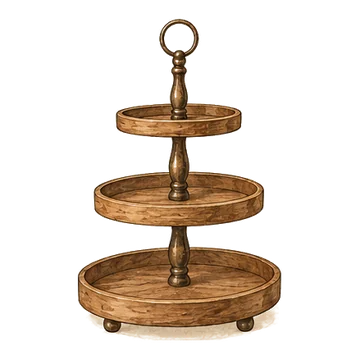
Appetizers are where small spaces lose the most surface area. A board of cheese, a bowl of nuts, a plate of veggies, and the whole coffee table is gone. Go vertical instead. A three-tier tray holds the same snacks in a third of the footprint, and it looks more special too.
Put it in the living room, away from the kitchen, so early guests have somewhere to hang out while you finish cooking. Keep appetizers light (nobody needs to be full before the turkey). A collapsible tray folds flat afterward, which matters when your storage is one closet.
On a small table, the centerpiece fights the food for space, and the food should win. Skip the big floral arrangement and go long and narrow: a runner, a strip of leaf garland, a few small pumpkins and some candles down the middle.
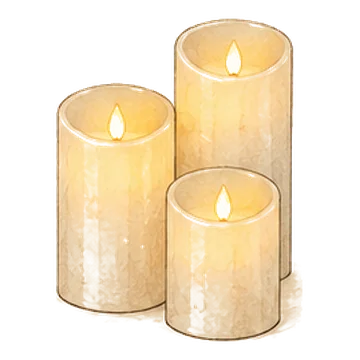
Keep everything under about 12 in tall so peolpe can see each other across the table. Flameless candles are a smart move when elbows and sleeves are reaching across a crowded table. Leave gaps in the garland where serving dishes or the gravy boat can land, and you've got decor that works with dinner instead of against it.
A small kitchen has no room for a pile of dirty pans, so start the day with an empty dishwasher and an empty sink. Then wash as you cook. Every time something goes in the oven, rinse what you just used.
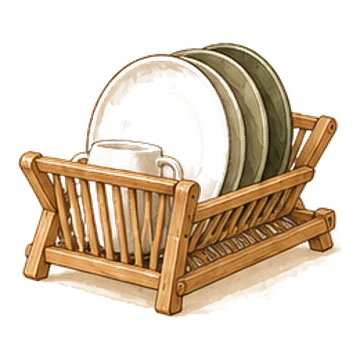
A roll-up dish rack over the sink gives you a drying spot without taking counter space, and a stack of flour sack towels handles the rest. Set up a clear trash and recycling spot (a bag hung on a cabinet door works) so guests can toss things without asking. After dinner, accept help. Seriously. Someone offers to dry, hand them a towel.
Short on time or energy? Do the seat math, write the oven schedule, and set up the buffet away from the kitchen. Those three solve most small-apartment Thanksgiving problems before they start. Everything else, the coat check, the drinks station, the low centerpiece, makes the night smoother, but those three are the backbone.
The most common mistakes are inviting more people than you can seat, trying to cook every dish in one oven, leaving the fridge full until Wednesday night, and serving at the table when there's no room for the dishes. And one more: trying to do it all alone. Guests like to help. Let them bring a side, a chair or a bag of ice.
A 33.5 inch square folding card table that seats four and folds flat for a closet.
Check priceA 6 ft folding table that folds in half for storage, for a buffet or a longer dinner table.
Check priceMetal folding chairs with a cushioned fabric seat that store flat between holidays.
Check priceEighty matte white tent cards to print or handwrite names and dish labels.
Check priceA no-fuss family-size 7-quart slow cooker: holiday chili, mulled cider, or keeping sides warm while you host.
Check priceThe classic 7-in-1 electric pressure cooker that also slow cooks. A big help with holiday sides when the oven is full.
Check priceAn instant-read digital meat thermometer, so the turkey (and every steak after it) comes out right. Small and genuinely useful.
Check priceAn electric warming tray with adjustable temperature that keeps dishes warm on a buffet.
Check priceA buffet server with two 2.5 qt trays that keeps two sides warm without the oven.
Check priceA 30 x 20 inch bamboo board that covers the stove top to make extra counter space.
Check priceA 1.5 gallon beverage dispenser with a spigot so guests pour their own cider or water.
Check priceA 9 hook over-the-door rack that turns a closet or bedroom door into a coat check.
Check priceA 3-tier serving tray that folds flat, so appetizers go up instead of across the counter.
Check priceTwo 5.9 foot maple leaf garlands in seven fall colors.
Check priceReal wax LED candles in glass with a remote and timer, no flame near the napkins.
Check priceA roll-up rack that sits over the sink for drying dishes and rolls away after.
Check priceTwelve big 28 x 28 inch cotton flour sack towels for drying, cleaning and covering dough.
Check priceCount your seats first and invite to fit, then plan where everything goes: an extended or second table, a buffet away from the kitchen, a drinks station and a spot for coats. Write an oven schedule, move sides to a slow cooker or stovetop, and ask guests to bring a dish.
Allow about 24 in of table edge per guest and about 36 in behind chairs for walking. A 48 in round table seats about six. Adding a folding table to the end of your table or moving dinner into the living room often lets you seat a few more.
Make a written schedule. Cook the turkey first, then bake stuffing and rolls while it rests for 20 to 30 minutes. Move mashed potatoes to a slow cooker, cook vegetables on the stovetop and make pies and cranberry sauce the day before.
Use an electric warming tray or a buffet server with lids for sides and gravy, and a slow cooker on the warm setting for mashed potatoes. Perishable food shouldn't sit at room temperature for more than about two hours.
Hang an over-the-door hook rack on a bedroom or bathroom door, add a tray for wet shoes and a basket for hats and scarves. Take coats as guests arrive so they don't end up piled on the sofa.
Buffet style usually works better, because a small table has no room for serving dishes. Set the buffet against a wall away from the oven, in one direction: plates, turkey, sides, gravy and rolls, then napkins and cutlery.


