
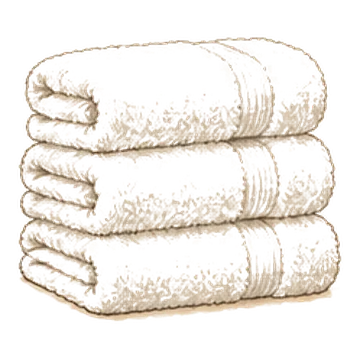
Utopia flour sack towels, 12 pack
Twelve big 28 x 28 inch cotton flour sack towels for drying, cleaning and covering dough.
Check priceBring the side, dessert, drinks or supplies your Thanksgiving host asks for, ready to serve with its own utensil. If they say to bring nothing, respect the menu; a small optional gift for later or an offer to help is enough. Here's how to choose, pack and arrive without adding work in a small kitchen.
As an Amazon Associate I earn from qualifying purchases. Links on this page are affiliate links: if you buy through them, I may earn a small commission at no extra cost to you.

Ask the host what they need, then bring the agreed item ready to serve. Confirm any oven, refrigerator or counter space it needs before choosing it. If the menu is already covered, a small optional gift for later or a specific offer to help is enough.
The useful question isn't which dish looks most impressive. It's whether the dish fits the meal and the kitchen. A casserole that needs 45 minutes at 400°F is a problem when the only oven already has a turkey inside.
The rest of this guide is the detail: how to ask without making it awkward, how much food is enough, which gifts hosts actually like, and the handful of things that quietly make a host's day harder.
| If the host needs… | A practical option | Confirm before packing |
|---|---|---|
| Food for the meal | One agreed side, bakery dessert or rolls | Servings, ingredients and storage |
| Drinks or supplies | Ice, sparkling water or napkins | Quantity and a place to keep ice |
| Nothing else for dinner | Optional small towels or a thank-you note | No expectation to open it during dinner |
| Help in a small home | A folding chair or a specific cleanup job | That it is wanted and where it goes |
Ask a question that's easy to answer. "Can I bring anything?" often gets a polite no. "Would a dessert or a side help more, or are you all set?" gets a real answer, because it gives the host an easy way to say either one.
And here's the bit people argue about every year: when a host says "just bring yourself", a lot of them mean it literally. On etiquette threads, hosts say they plan the whole menu so guests can relax, and a pile of surprise dishes makes their job harder. So if the answer is no, don't show up with a casserole anyway. Bring a small host gift meant for later, and keep your offer of help for the day.
Ask about a week ahead, or when you accept the invitation if the host is already assigning dishes. Match their planning pace. Confirm your choice before they shop, and let them know promptly if your plan changes.
If they name a dish, stick to the agreed version and ask before changing it. The reader discussions behind this guide repeatedly raised the same frustration: surprise 'backup' dishes can feel like criticism and also need serving space. A simple message such as 'I'll bring the rolls for eight people, ready to serve' leaves little to coordinate.
Here's the part guests forget. On Thanksgiving afternoon, the host's oven is the busiest place in the building. In a small apartment it's often the only oven, the stovetop has four burners at most, and the fridge is already full of things marinating.
Choose something that can arrive ready to serve, with a storage plan that suits the ingredients. Bread and a chilled dairy-based side have different needs. An insulated carrier is useful, but it doesn't prove that food has stayed at a safe temperature.
Keep cold food at 40°F or below and hot food at 140°F or above, checked with a thermometer. Without temperature control, count travel and table time together: discard perishables after more than two hours, or one hour above 90°F. Tell the host when food left safe storage so the clock is clear.
Reference: FDA guidance for safe serving and holding temperatures.

Ask whether your dish is the only option of its kind or one of several. A side served beside five others needs a different quantity from the only vegetarian main. Check the guest count and whether the host wants leftovers before doubling a recipe.
For a shared side at an eight-person dinner, a recipe labeled 'serves 8 to 10' is a useful starting point. Use the recipe's yield instead of judging by pan dimensions: two dishes in the same 9 x 13 inch pan can have very different portion counts. Adjust for appetite, children and the rest of the menu.
If the host asks you for something big, like the main protein or several dishes, that's a real request and it's fine to ask whether they want to split the shopping. It's not rude to talk about it before, only after.
Not cooking is completely fine. Some of the most useful things you can bring have nothing to do with a recipe, and hosts tend to run out of them at the worst moment.
Ice is the classic. A small apartment freezer has no room for it, and drinks run warm by the second hour. Good rolls or bread are another, because the host has zero oven space left to bake them.
Leftover containers are another useful offer, especially if the host is short on them. A lidded set, such as the Vtopmart glass containers, is an option if storage space allows. Ask first: a bulky set is less useful in a cabinet that's already full. Bringing one or two containers for your own leftovers may be all that's needed.
A host gift isn't required when you're already bringing a dish, but a small one is a nice touch, especially for a first-time host. Keep it small and useful, and give it in a way that doesn't need anything from them on the day.
For a small home, choose something useful that doesn't demand a display spot. Kitchen towels are one option; Utopia flour sack towels are included in the hosting guide linked below. Check what the host already has, and keep the gift modest enough to store easily.
For someone who enjoys wine, a Vacu Vin pump and stoppers may suit their routine. Check the current listing for bottle compatibility and instructions. If you don't know whether they drink, skip wine-related gifts and choose another category.
Scented gifts are personal. A strong candle on the dinner table can compete with the food, and the host may not want another decorative item. Give a candle only if you know their preference, and make clear it is for another day.

In a small apartment, every bag and serving dish occupies space someone else may need. Send a quick message about the size of what you're bringing. A dish that fits the menu but blocks the whole refrigerator shelf still needs a plan.
For cold dishes, pack a compact cooler with enough ice packs to maintain 40°F or below. For a hot dish, agree on safe hot holding or reheating before the trip. Carry it in something you can take home dirty so the host isn't left tracking a pan that belongs to someone else.
Bring just the supplies that were agreed. Coasters can be a useful compact gift when drinks will sit on side tables, but check the host's style and storage space first. A folding chair is helpful only when they have somewhere to put it.
Tell the host about dietary needs when you accept, and offer an agreed dish you can share. A vegan main or gluten-free dessert can fill a gap, but don't assume a recipe label makes it suitable for every guest.
For an allergy or other strict restriction, discuss ingredients, preparation and possible cross-contact with the person affected. Keep original packaging where available. If you cannot verify that a dish meets their needs, say so plainly instead of promising it is safe.
Pack the agreed dish with its own serving utensil and ingredient list, and ask where it should sit. Keep sauces and toppings separate when practical. That gives the host useful information without making them guess at the table.
This is the part that makes hosts vent online, so it's worth saying plainly. None of these are crimes. They just add work to the one person in the room with no time.
A dish that needs the oven. A dish that needs assembly with the host's knives and cutting board. A "backup" version of something the host is already making. Flowers with no vase (if you bring flowers, bring them in a jar or a simple vase so nobody has to hunt for one). An extra guest the host didn't invite. A big strongly scented candle meant for the table.
Arrive at the time the host requested. Don't turn up early to help unless it was arranged, and send a message if you're running late. An agreed arrival window is more useful than guessing whether ten minutes early or late would be welcome.
Offer one specific kind of help instead of "let me know if you need anything". "I'll fill water glasses", "I'll take coats", "I'll do the first round of dishes" are all easy to say yes to. Then actually do it.
After dinner, offer to clear plates or wash a round of dishes. Let the host decide what helps; they may have delicate items or a system for a tiny sink. Making space for leftover containers is often a useful first job.
Take leftovers only if offered and only if you can transport and refrigerate them promptly. Use the same temperature and time limits as for the dish you brought; the trip home is part of that time. Bring your own containers if the host welcomes the idea.

A text the next morning is enough. Name one specific thing you liked, like the stuffing or the music or how calm they seemed, and thank them for having you. If you borrowed a dish, return it within the week, ideally clean and with something small inside.
For next time, make a brief note of what worked: the dish size, the trip length and which supplies the host needed. Then ask again for the next invitation. A different guest list or menu can change the answer.
Twelve big 28 x 28 inch cotton flour sack towels for drying, cleaning and covering dough.
Check price
The original wine pump with four vacuum stoppers, so an open bottle keeps for another night.
Check price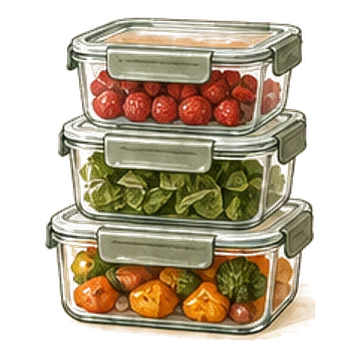
Eight glass containers with lids for meal prep and leftovers you can see at a glance.
Check price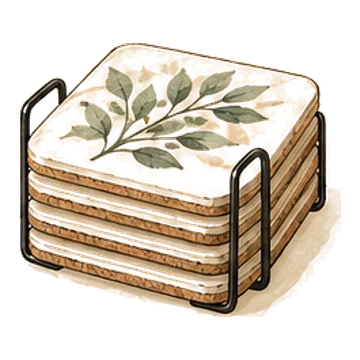
Six farmhouse-style coasters made for a new home's coffee table.
Check price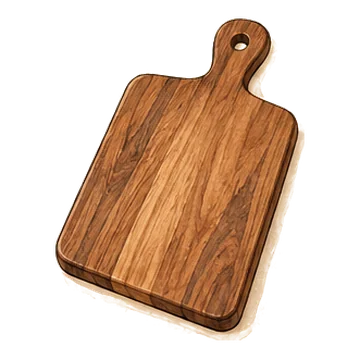
Reversible bamboo cutting boards that look nice enough to serve on.
Check priceNo, if the host asked you to bring nothing. Respect their food plan; a thank-you note, a small optional gift for later or an offer to help is enough.
Take them at their word on food. A small host gift meant for later, like kitchen towels or breakfast for the next morning, plus an offer to help with dishes, is plenty.
Yes, if it fits the agreed menu. Keep the ingredient label, follow storage instructions and bring a serving utensil. Ask before taking up oven or refrigerator space.
A side that serves about the number of guests is enough, since people take a little of everything. For eight guests, a recipe that serves 8 to 10 is plenty.
Ask first and only choose wine if you know it is welcome. Sparkling water, coffee or ice may be useful alternatives, but confirm what the host needs.
Ask whether containers would help. Bringing your own for offered leftovers can save the host supplies, but don't assume you will be taking food home.
Agreed rolls, a bakery dessert stored as directed, drinks or supplies are simple options. A chilled dish also works if you can keep it at 40°F or below until serving.


