
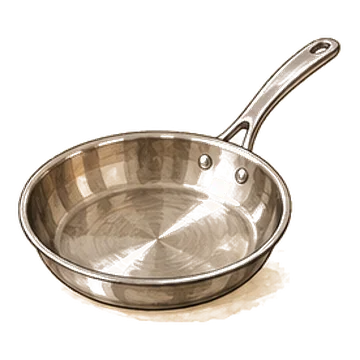
Cuisinart Chef's Classic 16 inch roasting pan with rack
A 16 inch roasting pan with a rack that lifts the turkey so heat reaches all sides.
Check priceHosting Thanksgiving with one oven and limited counter space? Roast a fully thawed, unstuffed turkey at 325°F (163°C), then use a thermometer to check for 165°F (74°C) in the breast, inner thigh and inner wing. Below are the timing table, a small-kitchen schedule and a printable checklist to keep beside you.
As an Amazon Associate I earn from qualifying purchases. Links on this page are affiliate links: if you buy through them, I may earn a small commission at no extra cost to you.

The hardest parts of a first Thanksgiving turkey happen before and after the roasting: finding fridge space, starting the thaw soon enough, then freeing the oven for everyone's sides. Choose your bird and pan together so neither one surprises you on Thursday morning.
This guide uses a straightforward method for a fully thawed whole turkey: optional overnight salting, butter under the skin, and roasting on a rack at 325°F. The time chart helps you plan the oven; a thermometer decides when the turkey comes out. Stuffing is simpler to manage in a separate dish.
Check the thickest breast and the innermost thigh and wing, avoiding bone. Each needs to reach at least 165°F. A timer or golden skin alone cannot tell you that the whole bird is ready.
You don't need an injector, a brining bucket or a special roaster. You need a pan big enough for the bird, something to lift it off the bottom, and a way to tell when it's cooked.
A roasting pan with a rack, such as the Cuisinart Chef's Classic 16 inch pan, holds the bird above the drippings. Measure the pan including its handles and compare it with the usable space in your oven. The product name alone doesn't tell you whether it will fit. Use a stable rack intended for the pan rather than an improvised support that could tip.
The single most useful thing is an instant read meat thermometer. It's the difference between guessing and knowing, and it's what fixes the dry-turkey problem people complain about every single year.

Allow about 24 hours in the refrigerator for every 4 to 5 pounds. A 16-pound turkey needs roughly four days. For a Thursday meal, starting on Saturday gives you room to check the cavity and finish preparation on Wednesday; check the package and actual thawing progress rather than assuming the calendar guarantees it.
Keep the refrigerator at 40°F or colder. Leave the turkey wrapped on a rimmed tray on the bottom shelf, away from ready-to-eat food. After a refrigerator thaw, you have another one to two days before cooking. Count overnight salting within that window.
For cold-water thawing, seal the bird in a leakproof bag, fully submerge it and replace the cold water every 30 minutes. Allow about 30 minutes per pound, then cook immediately. Do not follow a cold-water thaw with an overnight dry brine, and never thaw on the counter.
Still frozen? Oven roasting from frozen is possible, but the thawed-bird schedule below no longer applies. A fully frozen turkey takes at least 50% longer, not at most 50% longer. Follow the FoodSafety.gov frozen-turkey instructions linked here, including removing the giblet packet when accessible and not using an oven bag. Do not rinse an icy cavity to hurry things along.
Reference: FoodSafety.gov thawing chart · FoodSafety.gov: a turkey that is still frozen.
Put the turkey in its pan before unwrapping so the juices stay contained. Check both cavities for the neck and giblet packet and remove all packaging. Don't call a forgotten bag harmless: if plastic has melted or changed shape during cooking, USDA says not to use the turkey or giblets.
Pat the bird dry with paper towels; don't wash it. Clean hands, utensils and surfaces after handling raw poultry, and use a clean board for carving later. Keep salad ingredients and other ready-to-eat food out of this preparation area.
Overnight salting is optional. First check the label for added solution, pre-brining or kosher processing; adding a full dry brine to an already salted bird can be too much. Follow a dry-brine recipe matched to the turkey's weight and the brand of salt, since spoonfuls of different kosher salts do not weigh the same.
For a refrigerator-thawed bird, keep it on the rack in the pan on the lowest shelf during overnight preparation. If there isn't space to keep it separated from other food, skip an uncovered brine. A turkey thawed in cold water needs to go straight to cooking instead.
Reference: CDC turkey handling guidance · USDA: giblets accidentally cooked in packaging.
This is the part that looks scary and really isn't. Most of the time, the oven does the work and you're just checking in.

Use the pop-up timer, if there is one, only as a reminder to check. A food thermometer gives you readings from the parts that cook at different speeds. The color of the skin or juices is not a substitute.
Measure at three locations: the thickest breast, the innermost thigh and the innermost wing. Keep the probe clear of bone and follow its instructions for insertion depth. If any reading is below 165°F, keep roasting and check again; do not take the bird out early expecting the resting period to finish the job.
The breast may finish before the legs. Loosely covering browned skin with foil helps manage further browning, but it doesn't replace checking the temperature. Keep the oven door closed between checks and have the thermometer, foil and board ready so you're not hunting for them with a hot pan in your hands.
Reference: CDC: where to measure turkey temperature.
These FoodSafety.gov ranges are for a fully thawed whole turkey in an oven set to 325°F (163°C). They are estimates for planning, not a doneness test. At the boundary between two weight bands, allow for the longer range and start checking earlier.
Stuffing the turkey adds time, and the center of the stuffing also has to reach 165°F. That's the main reason a lot of cooks bake the stuffing in a separate dish. It's easier, it gets crispy edges, and the turkey cooks faster.
| Turkey weight | Unstuffed | Stuffed |
|---|---|---|
| 8–12 lb | 2¾–3 hours | 3–3½ hours |
| 12–14 lb | 3–3¾ hours | 3½–4 hours |
| 14–18 lb | 3¾–4¼ hours | 4–4¼ hours |
| 18–20 lb | 4¼–4½ hours | 4¼–4¾ hours |
| 20–24 lb | 4½–5 hours | 4¾–5¼ hours |
Reference: FoodSafety.gov turkey roasting chart.
Resting isn't optional. Carve straight from the oven and the juices end up on the board instead of in the meat. Twenty to thirty minutes under loose foil is the sweet spot.
Use a 20–30 minute rest to make gravy and organize serving dishes. If dinner is delayed, keep the cooked turkey at 140°F or above and check with a thermometer; foil and towels alone don't guarantee that temperature. For longer delays, carve and refrigerate in shallow containers promptly, then reheat to 165°F. Don't leave the whole bird on the counter while waiting for guests.
For carving, a carving knife and fork set and a big board with a groove, like the Astercook bamboo cutting boards, make it much tidier. A sharp chef's knife works too. Dull knives shred the breast.
Reference: FDA guidance on hot holding · CDC turkey leftovers guidance.

There is never enough gravy. Plan on at least half a cup per person, more if there are mashed potatoes involved, and there are always mashed potatoes involved.
Pour the pan drippings into a measuring cup and let the fat rise for a few minutes. For each cup of gravy, whisk 2 tablespoons of that fat with 2 tablespoons of flour in a pan over medium heat for about two minutes, then slowly whisk in 1 cup of liquid: the defatted drippings topped up with broth. Simmer until it coats a spoon, then taste for salt.
Lumps happen when liquid goes in too fast. Add it a splash at a time at first and keep whisking. If it lumps anyway, a quick pass through a strainer fixes it and nobody will know.
Want to take the pressure off? Simmer the neck with an onion and a bay leaf in a quart of broth while the turkey roasts. You'll have extra rich stock waiting when the drippings run short.
The turkey takes over the oven for three to five hours, and that's the real squeeze in a small kitchen. The trick is to move everything else somewhere else.
Move suitable sides to appliances you already have. A slow cooker such as the Crock-Pot 7 qt can hold cooked mashed potatoes if the food stays at least 140°F; check the temperature rather than trusting the word 'warm'. A pressure cooker such as the Instant Pot Duo 6 qt is another option for a side that has a tested recipe for that appliance.
Use the 20–30 minute resting window for sides that can finish in that time. Anything needing longer should have an earlier slot or a separate appliance. Reheating leftovers requires 165°F throughout, so a browned casserole top is not enough. Give one person the job of bringing cold dishes out just before serving.
Almost every turkey horror story comes down to one of a handful of things. None of them are about skill. They're about timing and a missing thermometer.
The good news is that every one of these is easy to avoid once you know about it. Make a simple written schedule for the day, and you'll be the calmest person in the kitchen.
Write the oven time, the first thermometer check and the planned rest on one sheet. Keep side dishes on a separate list with their own temperatures and appliance slots. A second alarm on your phone is useful if the oven timer is already occupied.
This worked example uses a fully thawed, unstuffed 13-pound bird for a 3 pm meal. Its planning range is 3 to 3¾ hours. The schedule leaves room for a rest and carving; if the bird needs more time to reach temperature, dinner moves rather than serving it undercooked.
Set out shallow containers before dinner so clearing up doesn't become a second cooking project. Cut remaining turkey into smaller portions and refrigerate promptly, within two hours of cooking when not held hot; the limit is one hour above 90°F. Don't wait for it to cool on the counter.
Label containers with the date. Refrigerated cooked turkey keeps for three to four days; freeze what you won't use in that time. Reheat leftovers to 165°F. Send guests home with a plan to keep their portions cold on the trip.
Reference: CDC turkey storage and reheating guidance.
A 16 inch roasting pan with a rack that lifts the turkey so heat reaches all sides.
Check price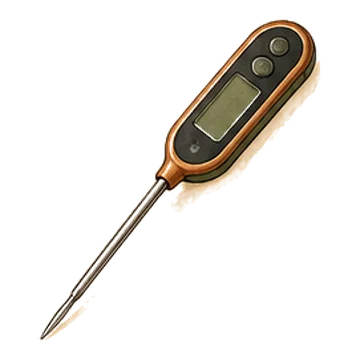
An instant-read digital meat thermometer, so the turkey (and every steak after it) comes out right. Small and genuinely useful.
Check price
An angled turkey baster that reaches pan juices without tipping the pan, with a cleaning brush.
Check price
A carving knife and fork set for slicing the turkey at the table.
Check price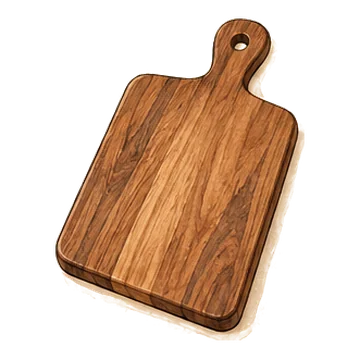
Reversible bamboo cutting boards that look nice enough to serve on.
Check priceSwitch to the cold water method: keep it wrapped, submerge it in cold tap water and change the water every 30 minutes, about 30 minutes per pound. Roast it as soon as it's thawed.
Yes, but use the frozen-turkey instructions linked in the thawing section, not the timing for a thawed bird. A fully frozen turkey takes at least 50% longer; don't use an oven bag. Check the breast, inner thigh and inner wing for 165°F.
Color alone cannot establish doneness. Check at least 165°F in the thickest breast and innermost thigh and wing, without touching bone.
Uncovered, so the skin browns, then lay foil loosely over the breast once it's golden so the white meat doesn't overcook.
No. Butter under the skin does more for flavor, and every time you open the oven to baste, the cooking time gets longer.
Breast side up on a rack is the standard and gives you the golden bird for the table. Some cooks start it breast down for juicier white meat, but it's harder to flip a hot turkey.
Refrigerate it promptly in shallow containers and use within three to four days, or freeze. Reheat to 165°F. The leftovers section explains cooling and serving-time limits.


