


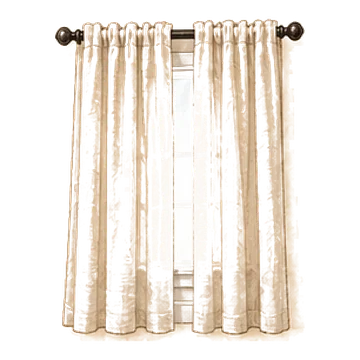
ChrisDowa thermal blackout curtains
Thermal insulated blackout curtains for the living room or bedroom.
Check priceThis list is for anyone whose living room feels tight, from a studio apartment to a narrow front room in an older house. It covers 15 ideas in order of impact, starting with layout and furniture size, moving through color, light and storage, and ending with textiles and styling, with real measurements so you can try each one this weekend.
As an Amazon Associate I earn from qualifying purchases. Links on this page are affiliate links: if you buy through them, I may earn a small commission at no extra cost to you.

Small living rooms tend to come in three shapes: the long, narrow room, the nearly square room, and the open space that also works as an entry or dining area. The ideas below work in all three, but the order matters. Layout and big furniture change the most, so they come first. Lighting, textiles and styling are the finishing layer.
Before you buy or move anything, sketch the room on paper and mark doors, windows, outlets, vents and radiators. Note which way each door swings. That ten-minute map keeps you from buying a sofa that blocks a heating vent or a rug that catches under the door.
Pushing every piece against the walls feels like it should free up space, but it usually leaves an empty middle and a sofa that faces nothing in particular. Pulling the sofa forward even a few inches lets curtains hang freely, makes room for a slim console or lamp behind it, and groups the seating into one conversation area that looks calm and deliberate.
Start with the paths people actually walk: from the door to the seating, to the window, and on to the next room. Keep main paths about 30 to 36 inches wide, and make sure none of them cuts straight through the conversation area. If the living room is also a pass-through, run the walkway behind the sofa instead of between the sofa and the coffee table.
The sofa is the largest piece in most living rooms, so its size sets the scale for everything else. Standard sofas often run 84 inches or longer, while apartment-size models usually fall between about 72 and 80 inches. Slim track arms instead of thick rolled arms can give you a few more inches of seat without a longer frame.
Before ordering, mark the footprint on the floor with painter's tape and live with it for a day or two. Measure doorways, stair turns and the elevator too, because a sofa that fits the room can still get stuck in the hall. Exposed legs and tight back cushions keep the shape lighter than a skirted, overstuffed design. In a very narrow room, a loveseat plus one armchair can work better than one long sofa.
Furniture that sits flat on the floor hides the floor, and the eye reads that as less space. Pieces raised on legs, or made of glass, acrylic or open metal, let you see the floor and wall behind them, so the room looks larger even though the square footage hasn't changed.
You don't need to replace everything. Start with the coffee table and one side table, since they sit in the middle of your sight lines. A glass or acrylic top works especially well over a textured rug you want to show. Keep one or two solid pieces for grounding, like a wood media console, so the room doesn't feel flimsy. Round or oval tops also help in tight walkways, where shins tend to meet sharp corners.
Sharp contrasts break a room into pieces, and in a small space every break makes it feel smaller. A tonal palette, where walls, trim and large furniture sit in the same color family, blurs the edges so the room reads as one calm volume. Warm whites and soft beiges are forgiving, and they glow in lamplight instead of turning gray.
Pick one main neutral, one deeper shade of it, and one accent such as olive or camel. Paint the ceiling the same warm white as the walls, or a touch lighter, to soften the line where they meet. An eggshell or satin finish reflects more light than flat paint and wipes clean more easily. Renters who can't paint can get a similar effect by choosing a sofa, curtains and rug close to the existing wall color.
Curtains hung right at the window frame cut the wall at an awkward height and cover part of the glass. Raising the rod and extending it past the frame makes the window look taller and wider, and it lets the panels stack beside the glass instead of over it, so more daylight comes in.
Mount the rod at least 4 to 6 inches above the frame, or halfway to the ceiling if there is room, and extend it 8 to 12 inches beyond each side. Measure from the rod to the floor before buying panels. Common lengths are 84, 95 and 108 inches, and the hem should just skim the floor. A color close to the wall adds height without adding a heavy block, and thermal panels can cut drafts near older windows.
A mirror works hardest when it reflects something worth seeing, like a window, a lamp or a long view into the next room. Placed on a wall next to or across from the window, it bounces daylight deeper into the room and adds a second view without taking any floor space.
Check what the mirror will reflect from your seat before you drill. A reflection of the TV or a cluttered corner only doubles the problem. Hang it so the center sits around 57 to 60 inches from the floor, or lean a tall one on a console if you rent. An arched shape softens the straight lines of windows, shelves and frames. One medium mirror usually looks better than several small ones scattered around the room.
A single ceiling fixture lights a small room flatly and leaves the corners dark, which makes the walls feel closer. Spreading light across three heights, such as a floor lamp, a table lamp and a low glow on a shelf, pushes the corners back and gives the room a warm evening mood.
Choose bulbs around 2700K for living areas. 3000K reads a little crisper, while 4000K and up can feel cold at night. Put lamps on dimmers or smart plugs so you can lower them through the evening. Plug-in wall sconces save surface space beside the sofa and only need a cord cover, which makes them a good fit for rentals. Spread the lamps around the room instead of clustering them on one side.
When floor space runs out, the walls still have room. A tall, shallow bookcase or a column of shelves holds more than a wide low cabinet with the same footprint, and it draws the eye up, which makes the ceiling feel higher.
Shelves 10 to 12 inches deep fit most books without jutting far into the room. Anchor any tall bookcase to the wall with anti-tip hardware, since a loaded case can tip. Keep the top shelves for things you rarely use and the middle band for what you reach for daily. Matching fabric bins on the lower shelves hide chargers, remotes and paperwork, so the shelves look tidy even when the bins are full. Leave about a third of each open shelf empty so it reads as display, not overflow.
In a small living room every piece should earn its spot. A storage ottoman can be a footrest, an extra seat and a coffee table at once. Nesting tables spread out when guests come over, then tuck back into one footprint.
Set a large tray on an upholstered ottoman so drinks have a flat, steady surface. A C-shaped side table slides under the sofa to hold a laptop or a plate, then moves out of the way. If you host overnight guests, a sleeper sofa or daybed saves you from storing an air mattress. Think twice about pieces that do only one thing and take up a lot of floor, such as a bulky recliner, unless you use them every day.
A rug that is too small is one of the most common small living room mistakes. It floats in the middle of the floor and makes the furniture look like it is drifting apart. A larger rug that sits under at least the front legs of the sofa and chairs pulls the seating into one zone, and the room looks bigger for it.
In most small living rooms that means a 5x8 or 6x9, with roughly 8 to 12 inches of bare floor showing around the edges. For softness underfoot without a big plush rug, start with a flat neutral base in jute or a low weave, then layer a smaller soft rug in front of the sofa. A rug pad keeps both from sliding and catching under doors.
A big black rectangle pulls focus in a small room, especially on a bulky stand. Mounting the TV and surrounding it with framed art or shelves turns it into one part of a wall arrangement instead of the only thing you notice.
For seated viewing, aim for the center of the screen at roughly 42 inches from the floor, close to eye level from the sofa. A slim floating console below holds devices, and a paintable cord channel hides the rest of the wires. Black frames around the screen let its dark edge blend into a group of pictures. If drilling isn't allowed, a long, low console with the TV on top and art leaning behind it works nearly as well.
Most small living rooms have one corner that collects a laundry basket or nothing at all. Turning it into a reading spot gives the room a second purpose and makes the whole floor plan feel planned rather than leftover.
All you need is a compact armchair, a floor lamp behind one shoulder and a small surface for a mug. A 4-foot round rug marks the nook as its own zone and softens the hard angle of the corner. Pick a chair around 28 to 32 inches wide with exposed legs so it doesn't swallow the space. Angle it slightly toward the main seating so it can join a conversation, and keep a small basket for the one or two books you are actually reading.
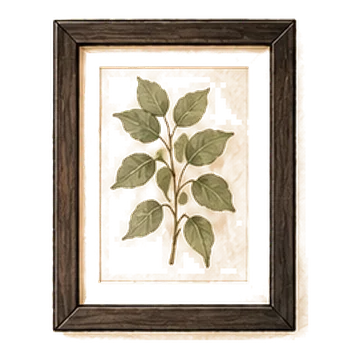
A scatter of small frames across several walls can make a small room look busy. One larger piece, or a tidy pair, above the sofa gives the eye a single place to land, and it makes the wall feel bigger, not smaller.
Aim for art about two-thirds the width of the sofa, hung 8 to 10 inches above the sofa back so it connects to the furniture. On walls with nothing below, center art about 57 to 60 inches from the floor. Vertical frames can make a low ceiling look a little taller. Simple prints, maps or a piece of fabric look finished in a plain frame. Pull the colors from your pillows or rug so the art ties into the room.
Textiles add warmth without taking any floor space, and they are the easiest thing to change with the seasons. Mixing a smooth fabric with a nubby or fuzzy one gives depth even in a quiet neutral palette.
On an apartment sofa, two to four pillows are plenty; more than that eats into the seat. Choose 18- or 20-inch squares and stick to two or three colors pulled from the rug or art, such as camel, olive and cream. Covers look fuller when the insert is the same size as the cover or an inch or two larger. Fold one throw over the arm or a back corner rather than spreading it across the seat, and keep a second one in a basket nearby.


A crowded coffee table is often the first thing that makes a small living room look messy. Keeping it to one small, planned group gives you a styled look and still leaves room for drinks, a book or your feet.
Use a tray to corral everything, then add three objects of different heights: something tall, like a vase with a few stems, something medium, like candlesticks or two stacked books, and something low, like a small bowl. Leave at least half the tabletop clear. Change one item with the season, such as dried grasses in fall or fresh branches in spring, instead of adding more. Anything that doesn't have a spot on the tray goes back where it belongs.


If the room feels cramped, start with the first three ideas: layout, sofa size and leggy furniture. If it feels dark, go to the palette, curtains, mirror and lighting. If it feels cluttered, work on vertical storage, furniture that does two jobs and the coffee table. Make one change at a time and live with it for a week before the next one.
A few mistakes show up in small living rooms again and again: a rug that is too small, curtains hung right at the frame, too many small decor pieces, and furniture bought before measuring. Avoiding those four does more than any single purchase. The photos in this list are design concepts meant to show each idea, so treat them as a direction rather than a shopping list.
Thermal insulated blackout curtains for the living room or bedroom.
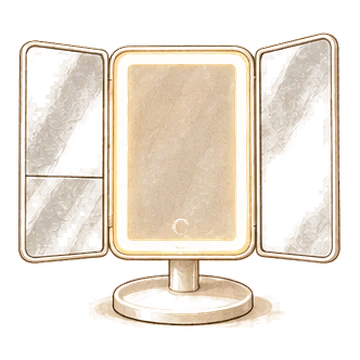
Check priceA slim gold metal arched mirror for a vanity, entry or bar wall.
Check priceA 19 x 31 inch gold arch mirror with a baroque-inspired frame.
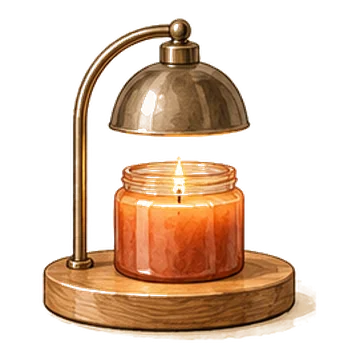
Check priceA dimmable lamp that melts your candle from the top, so you get the scent without a flame.
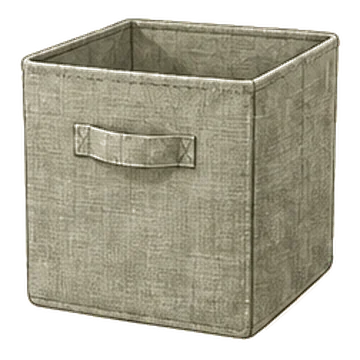
Check priceCollapsible fabric storage cubes with handles for shelves and cube organizers.
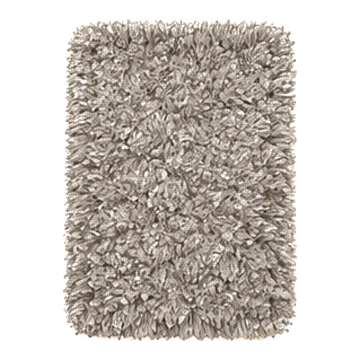
Check priceA soft, fluffy gray shag rug that is washable and non-slip.
Check priceFive matching 11x14 frames for an easy gallery wall.
Check priceA natural 4 foot braided jute rug that warms up a boho corner.
Check priceA black engineered-wood frame with a plexiglass front, hangs vertical or horizontal.
Check priceFour plush 18 x 18 inch down-alternative inserts that make any pillow cover look full.
Check priceA thick, warm sherpa throw that lives on the couch from October to March.
Check priceA small light gold ceramic vase for a few stems on a shelf or tray.
Check priceGold brass candlestick holders with a vintage shape for taper candles.
Check priceUsually a sofa facing a focal point, like a window or the TV wall, with one or two chairs or a pouf across from it. Keep main walkways about 30 to 36 inches wide around the seating. In a narrow room, put the sofa on the long wall or float it so the walkway runs behind it.
Light, warm neutrals such as warm white and soft beige, used on walls, trim and ceiling alike, make the edges of the room less noticeable. A dark color can also work if you use it everywhere, since the problem is usually contrast, not color.
A 5x8 or 6x9 fits most small living rooms. Aim for the front legs of the sofa and chairs to sit on the rug, with about 8 to 12 inches of bare floor around the edges.
Most do better with one, as long as it is sized right: about two-thirds the length of the sofa and 14 to 18 inches from the seat. A round glass table, a storage ottoman with a tray or a pair of nesting tables are good alternatives to a heavy rectangle.
Mount the rod at least 4 to 6 inches above the window frame, or higher if there is room, and extend it 8 to 12 inches past each side. Choose panels that just skim the floor.


