

HydroJug Traveler 40 oz insulated bottle
A 40 oz insulated bottle with a handle that lasts through a long shift.
Check priceLabor and delivery nurses see families through one of the biggest days of their lives, and most parents want to say thank you in a way that actually lands. This guide covers hospital gift rules, shareable gifts for the unit, practical gifts for one nurse, what to write in the card and the best time to drop it all off.
As an Amazon Associate I earn from qualifying purchases. Links on this page are affiliate links: if you buy through them, I may earn a small commission at no extra cost to you.

Shopping now? These are the ones we would start with.

The thank-you nurses remember most is a specific, handwritten note, ideally with your baby's name and a photo. A shareable treat for the unit and, if one nurse stood out, a small practical gift for their shifts are lovely extras, but they are never expected.
If you only do three things: write the note before you leave the hospital, include the night shift, and drop it off at a quiet time rather than at shift change. Everything else in this guide is about doing those three things well.
None of it has to happen in the first week. A card that arrives a month later with a photo of a sleepy, healthy baby often means more than one handed over in a rush at discharge.
Most hospitals have a policy on what staff can accept, and it varies a lot. Some allow small personal gifts, some only allow items shared with the whole team, and many do not allow cash or gift cards because they count as money.
The easiest way to find out is to ask your nurse or the charge nurse before you go home: "We would love to drop something off for the team. Is there anything you can't accept?" Nurses hear this question often and will give you a straight answer.
Food rules matter too. Many units will not eat homemade baked goods from people they do not know, however lovingly made, so sealed, store-bought, individually wrapped items are the safer choice.
Most births involve more nurses than parents realize. You may meet a triage nurse when you arrive, one or two labor nurses (more if your labor crossed a shift change), and then a separate team in postpartum or the mother-baby unit. If your baby spent time in the NICU, that is another team again.
Many hospital nurses work 12-hour shifts, often running roughly 7 to 7, so a long labor can easily mean three or four different nurses. Before you leave, jot down every name you can remember on your phone, with the shift and one detail about each person.
If you cannot remember names, that is fine. A card addressed to "the night team on June 12" still reaches the right people, because the unit can check who was working that shift.
Decide early whether you are thanking one unit or two. Labor and delivery and postpartum are often on different floors with different break rooms, so a single basket left in one place will not reach the other team.
This is the whole process from the hospital bed to the drop-off, in the order that keeps it easy when you are tired and juggling a newborn.
A shared gift is the fairest way to thank a team that worked in shifts. Think about quantity and shelf life: a nurse on nights might not reach the basket until 2 a.m., so everything should still be good after a day or two on the counter.
If you do not know the unit's size, a few dozen individually wrapped snacks is usually enough to reach both the day and the night shift. Split it into two labeled bags, one for days and one for nights, so the night team is not left with whatever is at the bottom.
Non-food gifts work well too. A Burt's Bees hand repair gift set suits people who wash and sanitize their hands over and over during a shift, and the four pieces can be shared around the break room.

When one nurse carried you through, a personal gift is a lovely way to show it. The best ones make a 12-hour shift a little easier, because that is where nurses spend so much of their week.
A large insulated bottle like the HydroJug Traveler 40 oz holds enough water to cut down on refills and has a handle for carrying it around. A double-deck leakproof lunch bag, such as the MIYCOO one, fits a real meal plus a couple of snacks, which matters when breaks are short and the cafeteria may be closed at night.
Keep the personal gift modest so it feels like thanks rather than an obligation, and hand it over quietly or put it inside the unit basket with the nurse's name on it. That way the rest of the team does not feel overlooked.
Choose neutral colors unless you noticed their style. A nurse in brightly patterned scrubs will probably enjoy a fun color; if you have no idea, black, navy or gray is the safe pick.

If you want to add something small to the note, pick items nurses use on shift or right after it. Compression socks are a classic. The LEVSOX pair is a firmer 20-30mmHg level, so it suits a nurse who already wears compression socks and knows the feel. Check the size chart against their shoe size if you can, or include a gift receipt.
A roomy bag helps anyone who carries a lot between home and the hospital. The TOPDesign utility tote has 13 pockets and a zipper, so a water bottle, lunch, badge, chargers and spare socks each get a spot.
For something purely nice, a microwavable neck wrap like the Sharper Image lavender wrap, or a box of grace & stella under eye patches, makes an easy treat for the day after a run of night shifts. Say in the card that it is for their days off, since scented items do not belong on the unit.
You do not need to spend much to thank nurses well. The list below scales from the smallest effort to a full thank-you, and every level starts with the card.
Short on time? A card written in the hospital and handed over at discharge takes about 15 minutes. With a free afternoon, you can put together a shared basket and print photos. With a couple of weeks, you can come back with your baby, a photo for the board and a personal gift for the nurse who stood out.
The note is the part nurses keep. Many units have a board or binder in the break room covered in cards and baby photos, and those notes get reread on the hard days.
You do not need to be a good writer. Five short parts, in this order, make a card that feels personal without taking more than a few minutes.
To the night team on June 12: thank you for the ice chips, the warm blankets and the steady voices when everything sped up. Mia was born at 4:18 a.m. and is now a very loud, very healthy two-week-old. We think of you every time we tell her birth story.
Dear Priya: you were with me for eleven hours and never once made me feel rushed. Thank you for helping me speak up when I wanted to change the plan. Here is Leo at one month. We hope he grows up as patient as you were with us.
A short one for the whole unit: thank you to everyone in labor and delivery who cared for us on March 3. You made a scary night feel safe. With love, the Ortiz family and baby Sam.
After a hard birth or a NICU stay: thank you for staying calm when we could not, and for explaining every step. It meant more than we can say. Ava is home now and doing well.
Swap in your own details. One true sentence about what happened is worth more than a page of general praise.
Many families hand over a card at discharge and come back with the basket and photo two to six weeks later, once they feel up to an outing. Anything in the first few months is welcome.
Call the unit first and ask when it is quiet. Avoid the hour around shift change, typically near 7 a.m. and 7 p.m. at hospitals that run 12-hour shifts, because that is when nurses are handing off patients. Mid-morning or mid-afternoon on a weekday is usually calmer.
Leave the gift at the nurses' station with a label showing the unit name, your delivery date and "for day and night shift." If postpartum was a separate team, bring a second, smaller bag for them.
If you cannot go back, mail the card to the hospital, addressed to the labor and delivery unit with your delivery date on it. For a food delivery, set it up with the charge nurse so they can give you a headcount and a good time.
To make the thanks last, send a short compliment to the nurse manager or patient relations naming the nurse. Many hospitals also accept nominations for the DAISY Award, a recognition program for nurses, and a written nomination about one specific nurse is a meaningful thank-you that costs nothing.

A 40 oz insulated bottle with a handle that lasts through a long shift.
Check price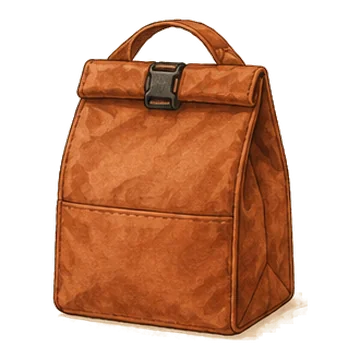
A double-deck, leakproof insulated lunch bag for packing real meals for long shifts.
Check price
A 4-piece Burt's Bees hand care set, an easy and useful desk-side gift.
Check price
Graduated 20-30mmHg compression socks made for nurses, travel and long days on your feet.
Check price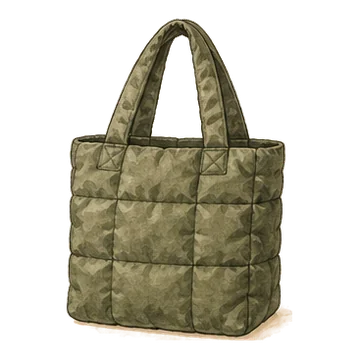
A water-resistant zip tote with 13 pockets for everything a shift needs.
Check price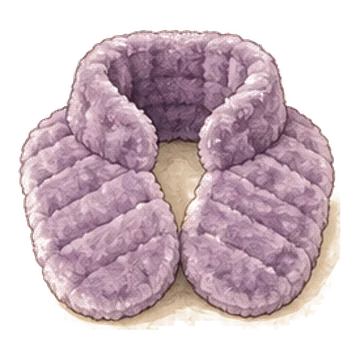
A microwavable plush neck and shoulder wrap scented with natural lavender and herbs; it can be cooled too.
Check price
Twelve pairs of under eye patches, an easy little treat for tired mornings.
Check priceMany do, but every hospital sets its own rules, and some limit staff to shared items only. Ask your nurse before discharge; a heartfelt note is welcome everywhere.
It depends on how long you are there. With 12-hour shifts, a long labor plus a postpartum stay can involve several nurses across two units.
Often not. Many hospitals treat gift cards like cash, which staff cannot accept, so a small practical item or a shared treat is safer.
Yes, if they cared for you. Postpartum is often a separate unit, so give them their own card or a second labeled bag.
No. Cards and photos often arrive weeks or months later, and units are still glad to hear how the family is doing.
Address the card to the day or night team on your delivery date. The unit can check the schedule and pass it to the right person.


