

Bedsure sherpa fleece throw blanket
A thick, warm sherpa throw that lives on the couch from October to March.
Check priceStart a self-care package with one useful home comfort, one everyday item and a personal note. Add a drink or snack only if you know their preferences; a scented candle is optional. These small-home gift plans help you choose what fits, avoid unwanted extras and pack the box for its actual journey.
As an Amazon Associate I earn from qualifying purchases. Links on this page are affiliate links: if you buy through them, I may earn a small commission at no extra cost to you.

A good starting point is a small throw or pillowcase, a mug or coaster, an optional familiar drink or snack, something personal and a note. Those are five roles, not five compulsory purchases. A photo can be the personal part, and the card can explain why you chose the gift.
For a winter box, build around one item that belongs in the recipient's home. A throw for the sofa makes sense if they use throws. A pillowcase works if you know their pillow size. Another mug is less useful when their cupboard is already overflowing, so ask before treating any of these as universal essentials.
Three to five well-chosen items plus a card are enough for the examples below. You don't have to buy something for every category. Leave out the fragrance, snacks or breakables when they don't suit the person or the trip.
Start with an ordinary moment: tea beside the sofa, reading in bed or settling into a new apartment. That gives you a practical filter. Can you picture where each item will go and when it will get used? If the answer is only 'it looks cute in the basket,' leave it on the shelf.
Ask one short question if you can: 'Would something for the sofa or your coffee corner be more useful?' Follow with a check on scents, food preferences and available space. You can keep the gift itself a surprise without guessing about the parts that make it inconvenient.
For a small apartment, storage matters as much as presentation. A large decorative basket becomes another object to store. A plain recyclable box may be the better container, especially when the recipient already has a basket under every table.
| Routine | Build around | Check first |
|---|---|---|
| Evening on the sofa | A washable throw and a coaster | Fabric preference and care instructions |
| Morning drink | A mug and a familiar drink | Cupboard space and drink preference |
| Reading in bed | A correctly sized pillowcase and a note | Pillow size and laundry routine |
| Settling into a small home | A compact catchall or coasters | What they already own |
A throw blanket is a flexible starting point because it can live on a chair or sofa. The Bedsure sherpa fleece throw is one option in our home-gift collection. Check the current listing for its exact size and washing instructions, then choose the material around the recipient's preferences rather than the basket's color scheme.
A pillowcase packs more compactly, but it is not one-size-fits-all. Confirm the pillow dimensions and whether the recipient wants a particular fabric. The mulberry silk pillowcase in the collection is an option to compare; don't add it on the strength of promised beauty or sleep results.
For a drink corner, a mug, coaster or small tray can serve the same everyday role. The Mfacoy glass mugs come as a set, so check whether a set is actually wanted. If you split one into a gift, retain the care information and provide separate protection for the glass.
A small ceramic catchall is another possibility for someone who regularly puts keys beside the door. Choose one useful object from this group. Adding a mug, tray, coaster set and catchall together can turn a compact gift into a storage problem.
Choose the contents before buying a decorative box. The plans here are editorial examples, not tested fits for a particular container. A folded blanket can vary a lot in thickness, and a mug needs room for protective wrapping. Measure the actual items together before deciding on packaging.
The flat plan is useful when you want to keep the gift compact. The five-part plan suits someone who would use both the home item and the food. The larger plan adds a substantial textile; it does not need several extra trinkets to justify its size.
Set aside part of your total budget for packaging and delivery. If that leaves room for fewer objects, keep the useful one and the note. Shrinking the gift is usually easier than squeezing a fragile item into a box that cannot protect it.
| Plan | Contents | Best adjustment |
|---|---|---|
| Flat and simple | Pillowcase, printed photo, note | Confirm pillow size |
| Five-part home box | Throw, mug or coaster, familiar drink, photo, note | Skip food if preferences are unknown |
| Larger hand-delivered gift | Throw, small tray, mug, optional favorite treat, note | Use a basket only if it will be useful |
For a sofa-night theme, start with a throw, one coaster and the note. Add a drink only when you know what the recipient enjoys. That gives the box a clear use without making it look as though a whole new evening routine is required.
If they already own plenty of blankets, switch to a small item that solves an everyday annoyance. A coaster for the side table or a compact tray for the remote may be more welcome. The farmhouse coaster set in our collection is one option to compare with their existing decor; check the material and dimensions in the listing.
A new-apartment version can use the same structure: one useful home object, one personal detail and a card. A ceramic jewelry tray can also hold small personal items, but choose it only if you know where it will sit. Avoid guessing at their whole decorating style from a single favorite color.
Keep the packaging easy to open. A simple ribbon and one card are enough. If removing layers of tape and tiny tied bags takes longer than finding a place for the gift, simplify the presentation.
Scent does not have to be one of the categories. Use a throw, a correctly sized pillowcase, a coaster and the note for a package with no added fragrance. Check the actual products and packing materials rather than assuming that a neutral color means an unscented item.
If the person has asked for no scented gifts, skip diffusers, fragranced sachets and scented packing paper too. Replacing a candle with a different fragrance product misses the point. You also don't need to explain the omission in the card; just describe the useful things you chose.
For someone who has specifically said they enjoy candles, choose their known preference and keep the candle unlit in its packaging. A candle warmer or diffuser should be a considered choice, with space and household rules checked first. Neither belongs in every box simply because it appears in a cozy photograph.

A display basket and a shipping parcel have different jobs. For hand delivery, arrange the gift so it is easy to carry and unpack. For mailing, protect the contents from movement and impacts first, then add the pretty layer. Tissue paper creates presentation; it is not a complete protection system for a glass mug.
Keep fragile pieces apart from each other and from heavier objects. A throw can be part of the gift, but don't assume it provides the cushioning required by a carrier. Use the instructions appropriate to the item and service, or choose a nonbreakable gift when packing supplies are limited.
Reference: USPS package preparation · FedEx guidance for breakables.

Measure and weigh the finished parcel, including its packing material. USPS bases the service choice on the destination, contents, size, weight and timing. Check the current service information for the actual addresses rather than assuming every care package has the same postage or transit time.
For fragile gifts, FedEx recommends double-boxing and cushioning around the inner box, with each breakable wrapped individually. Its linked guide provides the specific cushioning requirements. If those layers make the parcel too large, choose a flatter nonbreakable gift instead of reducing the protection.
Holiday dates change by year, service and destination. Check your carrier's current guidance when ordering, allow time to assemble the gift and confirm that someone can receive it. Avoid promising Christmas arrival from a general 'ship in early December' rule. International parcels need destination-specific checks as well.
If time is tight, ask whether the retailer can send a gift directly with suitable packaging. Confirm what happens to prices and gift messages at checkout rather than assuming they are hidden. You can send your note separately or tell the recipient a small parcel is on its way.
Reference: USPS service and package guidance · FedEx fragile-item packing requirements.
Use these as starting points, then check what the person already owns. Age, job or relationship alone won't tell you whether someone wants another mug, a scented gift or a large blanket. A short conversation is more useful than a generic 'for her' or 'for him' list.
For a student, shared storage and residence rules matter. A compact textile and note may be easier to use than a scented or electrical item. For a coworker, keep the gesture modest and suited to the relationship; there's no need to make assumptions about how they spend their evenings.
A care package should be manageable when it arrives. Consider what needs washing, charging, assembling, finding a place or following special instructions. One suitable item is a better choice than a crowded box whose contents all need attention.
Before sealing it, imagine opening the gift in the recipient's home. Can the items go somewhere useful? Can they identify the food ingredients? Is the card easy to find? Take out anything that makes those answers less clear.
Start the note before shopping if the gift is beginning to feel generic. Name the moment you had in mind, such as tea by their new window or an evening on their favorite chair. That helps you choose a useful object instead of building a box around a marketing label.
A few plain sentences are enough: 'I saw this and thought of your reading corner. There's no rush to message back. I hope it finds a good spot beside the sofa.' Adjust the wording to your relationship; a familiar joke or printed photo may fit better than a formal message.
If you offer help, make the offer specific and realistic. Say which evening you can bring dinner or when you are free to call. The gift does not need to fix a difficult situation. It can simply be a small, usable reminder that you were thinking of them.

A thick, warm sherpa throw that lives on the couch from October to March.
Check price
A mulberry silk pillowcase with a zipper: an everyday luxury that makes a lovely small gift.
Check price
Four clear 15 oz glass mugs that show off layers of cocoa and cream.
Check price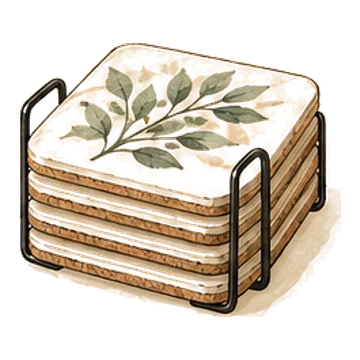
Six farmhouse-style coasters made for a new home's coffee table.
Check price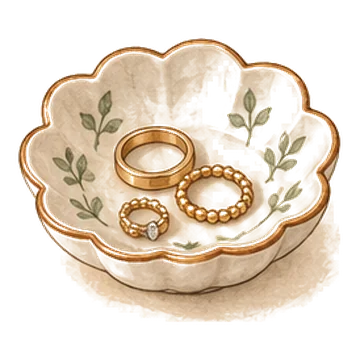
A small ceramic trinket dish for rings and earrings by the sink or nightstand.
Check priceStart with one useful home comfort, an everyday item and a personal note. A familiar drink, snack or printed photo is optional. Choose around the recipient’s preferences and space.
Three to five items plus a note are enough for the plans in this guide. This is a planning suggestion, not a required count; a small useful gift can stand on its own.
Try a throw, a correctly sized pillowcase, a coaster or a small catchall with a note. If the recipient wants no fragrance, avoid diffusers and scented sachets too.
Choose compact home comforts and check shared-space rules. A small throw or pillowcase, a familiar sealed snack if welcome and a note can fit without adding a bulky appliance or decorative basket.
Check your carrier’s requirements for the actual contents. Protect breakable items individually and use appropriate outer packaging; a display basket or tissue paper alone is not sufficient.
Choose something familiar and easy to use, then add a short note without pressure to reply. Ask what would help and avoid making promises that a gift will change how they feel.
Check the current carrier guidance for the year, service and destination, and allow time for packing. A general early-December rule cannot guarantee arrival.


